Colette: The Handwritten Script Font That Elevates Every Maker’s Design
It was a rainy afternoon, and I was knee-deep in designing a new set of candle labels for my fall collection. I wanted something that felt warm, personal, and just a little whimsical. I tried a few fonts, but nothing clicked until I opened up Colette. The first time I typed out “Pumpkin Spice & Cozy Nights,” the letters flowed like ink from a fountain pen, soft and elegant, yet bold enough to stand out on a small label. That’s when I knew Colette would become a staple in my design toolkit.
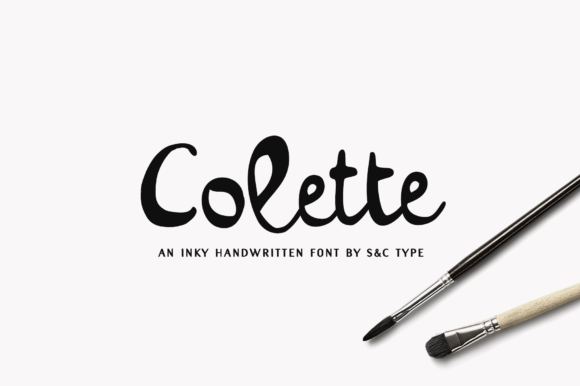
Colette is an inky handwritten script font designed with both beauty and usability in mind. It carries the charm of real handwriting without sacrificing legibility. Each letter has a gentle bounce and a slightly textured stroke that mimics the natural variation of ink on paper. Whether you're creating a rustic farmhouse sign or a delicate wedding invitation, Colette brings a sense of warmth and authenticity to your work.
I first used Colette on a set of boutique-style product tags for handmade soaps. I needed a font that could look good both printed on kraft paper and laser-cut into delicate tags. The clean flow and balanced spacing of Colette made it easy to scale down without losing its character. I even tested it on a small sticker sheet for planner pages, and it held up beautifully in 12pt size on my Cricut machine. The font comes with a full set of uppercase and lowercase letters, numbers, and punctuation, making it versatile for a variety of projects.
From Invitations to Wall Art: Colette in Real Maker Projects
Wedding season brought a new challenge—designing a suite of stationery that felt both elegant and personal. I chose Colette for the bride and groom’s names on the invitation suite. The script has a romantic, flowing style that looked stunning in gold foil on ivory cardstock. I paired it with a clean sans serif font for the body text, and the contrast elevated the entire design. Guests complimented the invitations not just on content, but on the typography itself.
Colette also shines in digital printables. I recently created a set of motivational wall art for home offices and used Colette for the main quotes. The handwritten charm made the prints feel more intimate, like a friend had written the words by hand. When previewing the files for my Etsy shop, I noticed how well Colette translated across different mockups—whether on a framed poster or a rustic chalkboard sign, the font maintained its character and clarity.
Perfect for Labels, Packaging, and Product Branding
As a candle maker, packaging is everything. Colette gave my labels a boutique feel without the need for fancy graphics. I used it for scent names like “Lavender Fields” and “Forest Rain,” and the font’s organic curves made each label feel unique and handcrafted. I even tested it on a small batch of sticker labels for tea tins, and the readability on a Silhouette Cameo was spot on.
When it comes to product branding, Colette helps establish a consistent and recognizable voice. Whether you’re printing tags for clothing, designing tags for handmade jewelry, or labeling your homemade jams, this script font adds a professional yet personal touch. It’s ideal for short phrases, titles, and decorative elements rather than long paragraphs, which makes it perfect for display use in packaging and product design.
Pairing Colette with Other Fonts
One of the joys of using Colette is how well it pairs with other typefaces. For a minimalist greeting card line, I combined Colette with a soft serif font for the greeting and a modern sans serif for the inside message. The result was clean, elegant, and easy to read. If you’re designing a logo or a shop banner, try pairing Colette with a bold display font to create contrast and visual interest.
For digital templates or planner inserts, pairing Colette with a simple sans serif like Arial or Lato keeps the layout from feeling too busy. The key is to let Colette be the star while supporting it with fonts that enhance readability and structure.
Design Tips for Using Colette
Before printing Colette on small stickers or labels, always test the size on your cutting machine. While the font is well-designed for clarity, very small text can lose some of its detail. For example, I found that 10pt was the smallest I could go on my Cricut Explore Air 2 without losing legibility on sticker tags.
When designing for mockups or listing images, consider how Colette will look in different colors and textures. I used it in both black and deep burgundy on matte and glossy label stock, and each version had a unique appeal. For seasonal products like holiday tags or Valentine’s cards, the font’s versatility shines through—just change the color scheme and layout to match the occasion.
What to Check Before Using Colette Commercially
If you’re selling physical products, printables, or digital templates, it’s essential to review the licensing terms of Colette. Most premium fonts, including Colette, come with commercial use rights, but always double-check what’s allowed. Make sure the font includes all the styles and alternates you’ll need—Colette typically includes ligatures and swashes that add flair to your designs.
Also, verify that the font supports multilingual characters if your shop serves an international audience. Colette usually includes extended Latin glyphs, which covers most European languages. File formats like OTF and TTF are standard, and some versions may include web fonts for use in online shops or social media graphics.
Why Colette Belongs in Every Maker’s Design Kit
Colette isn’t just another script font—it’s a design tool that brings personality, warmth, and professionalism to your handmade products. From candle labels to wedding invitations, digital downloads to boutique packaging, this font adapts beautifully to a wide range of creative needs. Its readability, elegant texture, and thoughtful design make it a reliable choice for makers who want their typography to tell a story.
Whether you’re a seasoned Etsy seller or just starting out with printable designs, adding Colette to your font library can elevate your shop’s aesthetic and help your products stand out. It’s more than a font—it’s a signature style that speaks to the heart of your handmade brand.