Bear: A Handwritten Font for Modern Brand Campaigns
A Real Campaign Moment: Designing a Product Launch Graphic
I was prepping visuals for a client’s new herbal tea line launch and needed a font that felt personal, approachable, and a little whimsical. I opened up the design mockup and dropped in Bear for the main headline: “Sip Into Calm.” Instantly, the tone shifted. The soft curves and gentle bounce of the letters gave the design a handwritten warmth that a standard script font couldn’t match. It wasn’t overly playful, but it had enough character to stand out in a sea of minimalist branding.
Visual Style and Brand Personality
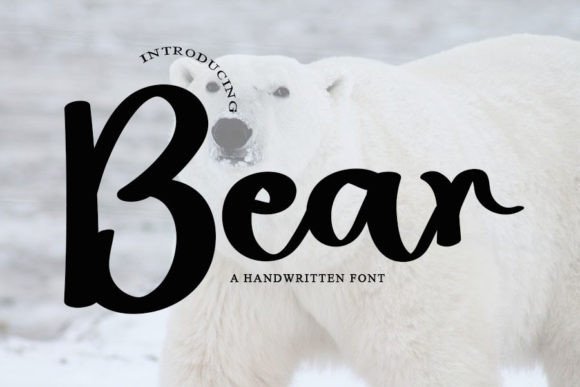
Bear is a script amp font that blends elegance with a touch of quirk. It reads like a natural handwriting style, but with intentional refinement. Each letter flows smoothly into the next, making it ideal for short, impactful text like headlines, brand names, and callouts. The font has a friendly, creative energy—perfect for lifestyle brands, wellness entrepreneurs, and content creators who want to feel authentic and human without sacrificing polish.
I tested it across multiple campaign formats, from Instagram Stories to YouTube thumbnails, and it held its own in both light and dark themes. On a soft pastel background, Bear looked delicate and inviting. Over a moody, textured backdrop, it still remained legible and expressive.
Where Bear Shines in Digital Campaigns
- Instagram posts and reels covers: Perfect for short, punchy headlines that need to grab attention quickly in a scroll-heavy feed.
- Email banners: Adds a personal, handcrafted touch to promotional headers without looking unprofessional.
- Pinterest pins: The script style helps elevate quote-based pins and product teasers with a more editorial feel.
- YouTube thumbnails: Works well in title overlays for lifestyle, beauty, and creative content.
- Brand logos: Its clean yet expressive nature makes it suitable for small business logos and boutique branding.
Readability and Mobile Optimization
One of the biggest concerns when using a handwritten font like Bear is readability—especially on mobile. I tested it in several real-world contexts: a mobile preview of a landing page header, a Reels cover, and a Pinterest pin thumbnail. At 24px and above, Bear remained clear and distinct. Below that, some of the connecting strokes started to blur together, especially on lower-resolution screens.
For best results, use Bear in short-form text. It’s not ideal for body copy or long captions. Instead, treat it as a display font—something to highlight a key message, not explain it in detail. When using it over images, I found that adding a subtle drop shadow or placing it over a light overlay helped maintain contrast and clarity.
When Bear Isn’t the Best Fit
While Bear is versatile, it’s not a one-size-fits-all solution. It’s not well-suited for:
- Long paragraphs or dense information blocks
- Formal corporate communication or technical branding
- Small UI text, such as button labels or captions in mobile apps
- High-contrast, bold branding that leans heavily into modern minimalism
If your campaign requires a more structured, neutral tone, you might want to pair Bear with a clean sans serif instead of using it alone.
Font Pairing and Design Flexibility
Bear works beautifully when paired with a modern, minimalist typeface. For example, using Bear for a headline like “New Collection Drops Friday” and pairing it with a clean sans serif like Montserrat or Lato for supporting text creates a balanced visual hierarchy. This contrast helps guide the viewer’s eye while maintaining a cohesive brand voice.
It also pairs well with other script fonts or serif fonts if you're aiming for a more editorial or luxury feel. I used it alongside a serif subheading in a webinar banner design, and the result felt both elegant and grounded.
Technical Details for Campaign Use
Before using Bear in a live campaign, I recommend checking the full font package for:
- Available styles (bold, italic, alternate characters)
- Ligatures and stylistic sets for custom tweaks
- Supported file formats (OTF, TTF, WOFF for web use)
- Multilingual character sets if you're targeting global audiences
- Commercial licensing for use in ads, templates, or client work
These details can make a big difference when scaling Bear across different platforms or repurposing campaign assets for digital products or branded templates.